Saturday, March 4, 2017

fear/evasive language, and . . . Invasion of the body snatchers


Copyright ESA/Herschel/PACS, SPIRE/Hi-GAL Project. Acknowledgement: UNIMAP / L. Piazzo, La Sapienza – Università di Roma; E. Schisano / G. Li Causi, IAPS/INAF, Italy


More evasive language I've been finding that proves fear of thinking(for whatever reason) found in the movies "Invasion of the Body Snatchers."  The 1978 version even features Leonard Nimoy.

For those who don't know what I'm talking about, check out my Sophie and Silas post - Jun 8, 2015 post.

- The Invasion of the body snatchers is a kind of parable of how people pick up ideas and become cultish.  Of how people become conditioned in a given culture and incrowd.  Of how, if someone doesn't go with the cultural flow, they get pointed out.  This all seems surreal; but, the following Biblical quotes proves it!

2 Thessalonians3:6 Now we command you, brethren, in the name of our Lord Jesus Christ, that ye withdraw yourselves from every brother that walketh disorderly, and not after the tradition which he received of us."

and another, "3:14 And if any man obey not our word by this epistle, note that man, and have no company with him, that he may be ashamed."


Well, the first scene I can find that corresponds to my notes is the rat terd scene,


Here, Donald Sutherland, who plays Matthew, finds a rat terd in the food.  The owner uses evasive language, being in denial, and calls it a caper. Some of the rest of the scene that is not shone are the restaurant chefs acting offended at Matthews presence.  Then, when Matthew finds the rat terd, they go and egg his car.

One of the main characters, Elizabeth, explains to Matthew that her punk husband has changed.  She followed him once and noticed he's with others and they're all passing around seed-pods. This reminds me of religious people who run around passing out bibles.  - I further noted that this passing around of seed-pods is like Eric Drexler's "disruptive".  Everyone gets in the act - to be cool.


The scene above is a guy who's trying to whistle blow; but, Matthew just blows him off.  He doesn't want to think there's a problem.  He's a bit cowardly here.  The whistle blower runs and gets hit by a car.  They turn the corner, and they see everyone looking at the whistle blower in a rather empty feeling way. They're all the converted.

- There's a scene where Matthew is calling Elizabeth's huspand.  The husband doesn't say anything.  He just listens and hangs up so that Elizabeth can fall asleep and wake up as one of the pod-seed people.


Elizabeth tries to get one of the pod-flowers tested.  But, her boss is uncooperative.  He asks "how" and tells her "you're consistently late".  He doesn't want the flower tested.  He doesn't want information to get out until the pod-seed invasion of the body snatchers conspiracy is in full swing.


The above is kind of a central scene. Matthew and Elizabeth are found by the now converted Leonard Nimoy and some others. Leonard Nimoy and the others say, "It's so much easier if you just convert."  Then, they make a bunch of evasive spin doctor talk - "all are one", "born into an untroubled world", "no fears or anxiety", "no room for hate . . . or love", and "don't be trapped by old concepts."


This last scene is kind of famous amongst "Invasion of the Body Snatchers" fans. Earlier in the movie, when he, Elizabeth, and his other friends are running away from the pod-people, they learn that if they just act like the rest, they can walk amongst them - unnoticed.  The last scene is a play like Matthew has perfected this. One of his friends finds him and thinks he must know how to walk amongst the drones as well.  But, to her horror, Matthew screams and points to her, signaling to the others that he's found someone who's walking disorderly.

Monday, February 20, 2017

astro picture(s) of the day


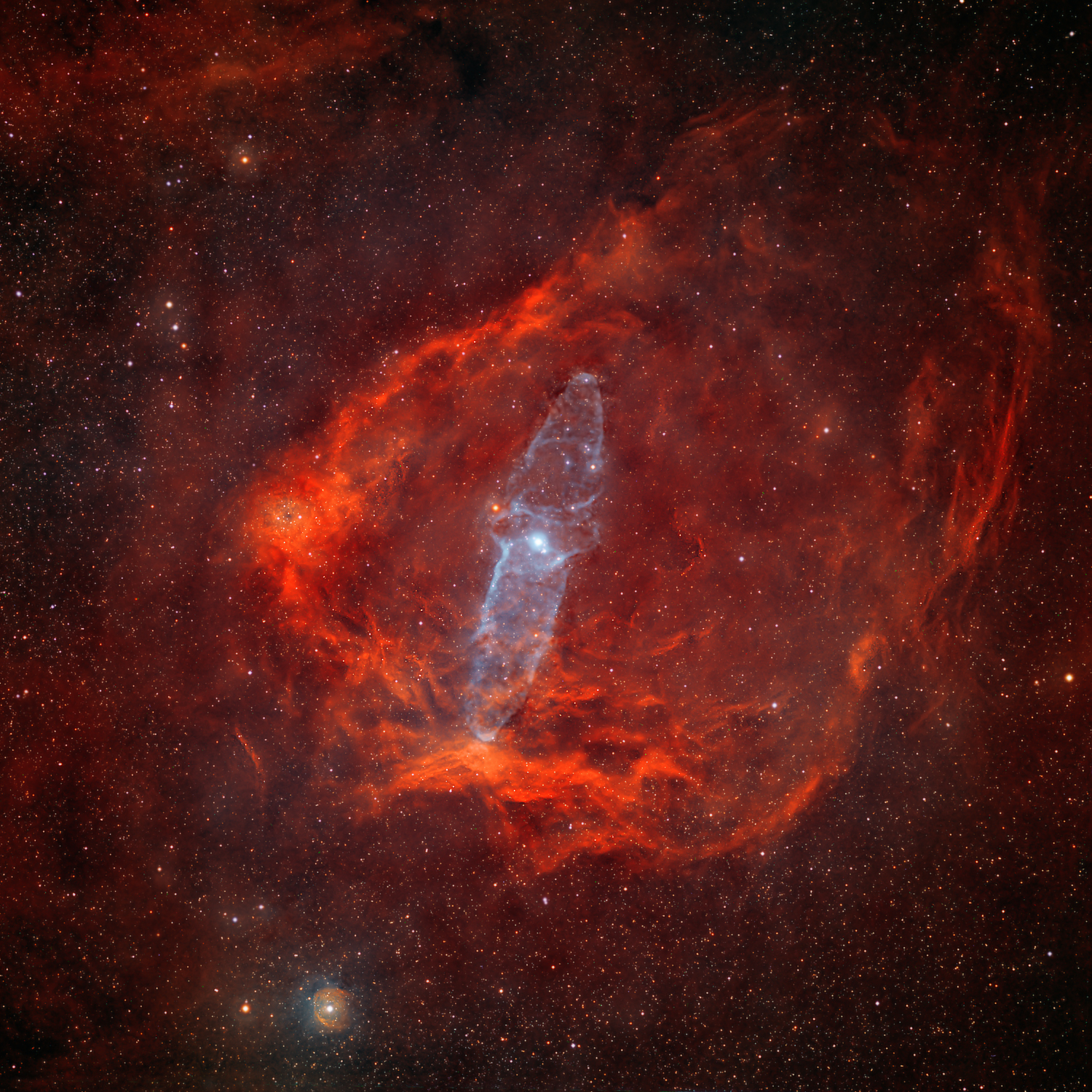
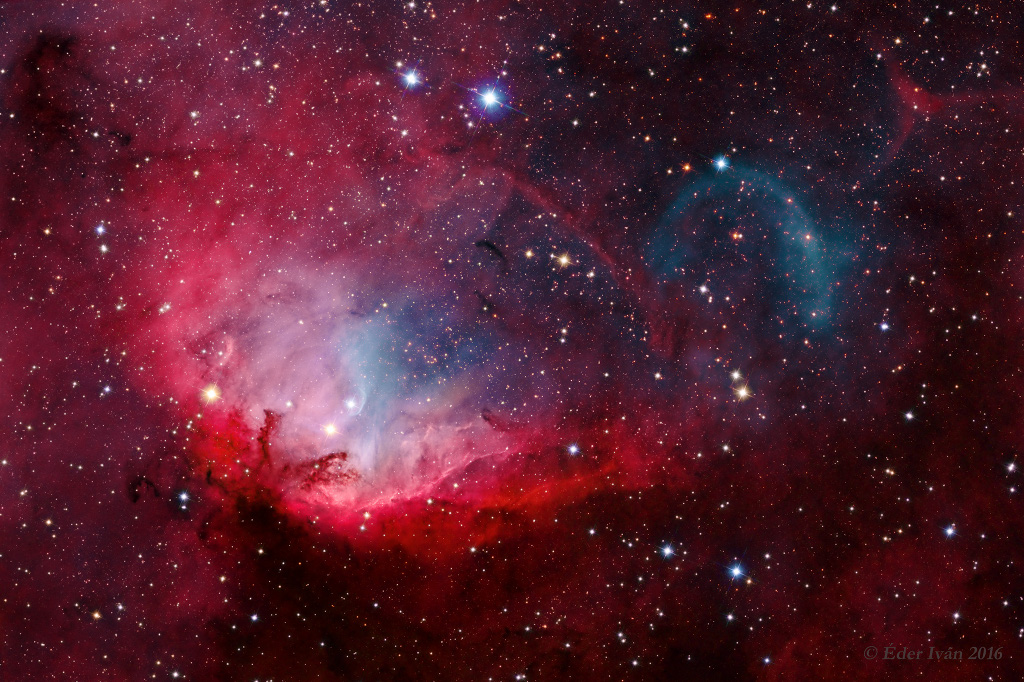
Image Credit & Copyright: Ivan Eder

This picture has Cygnus X-1 - the first black hole discovered, in the 1970s. The blue bow shock is from the black hole's affect on the surrounding nebula.


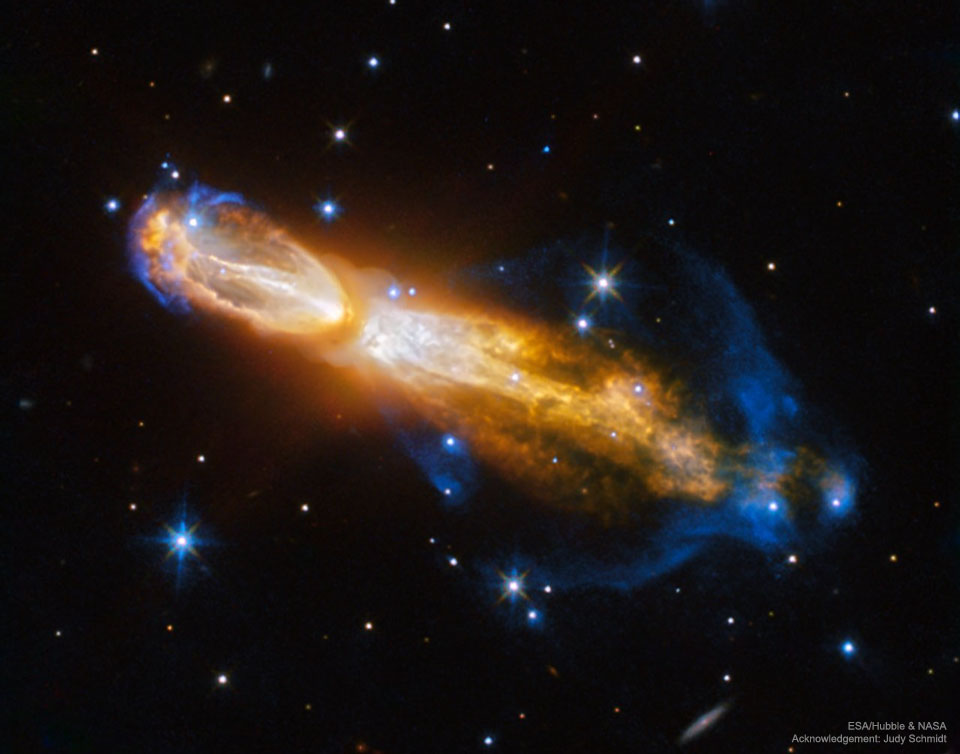
Image Credit: NASA, ESA, Hubble, MAST; Acknowledgement: Judy Schmidt


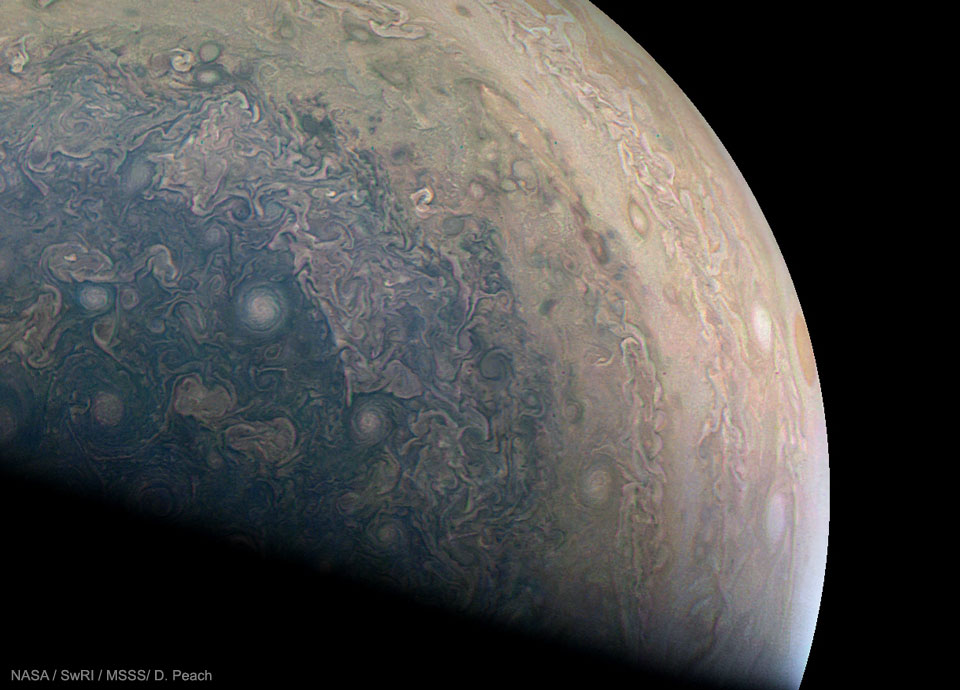
Image Credit: NASA, JPL-Caltech, SwRI, MSSS; Processing: Damian Peach

another great new picture of Jupiter from the Juno spacecraft


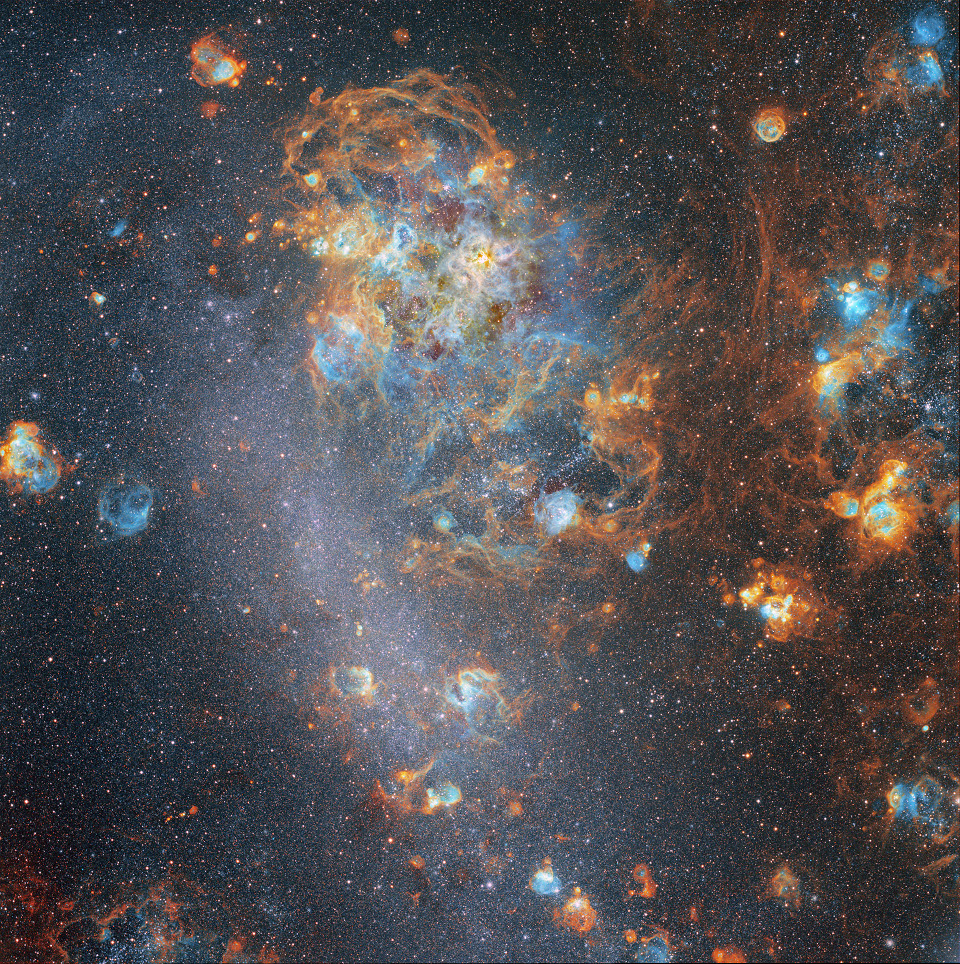
Image Credit: ESO, VLT Survey Telescope


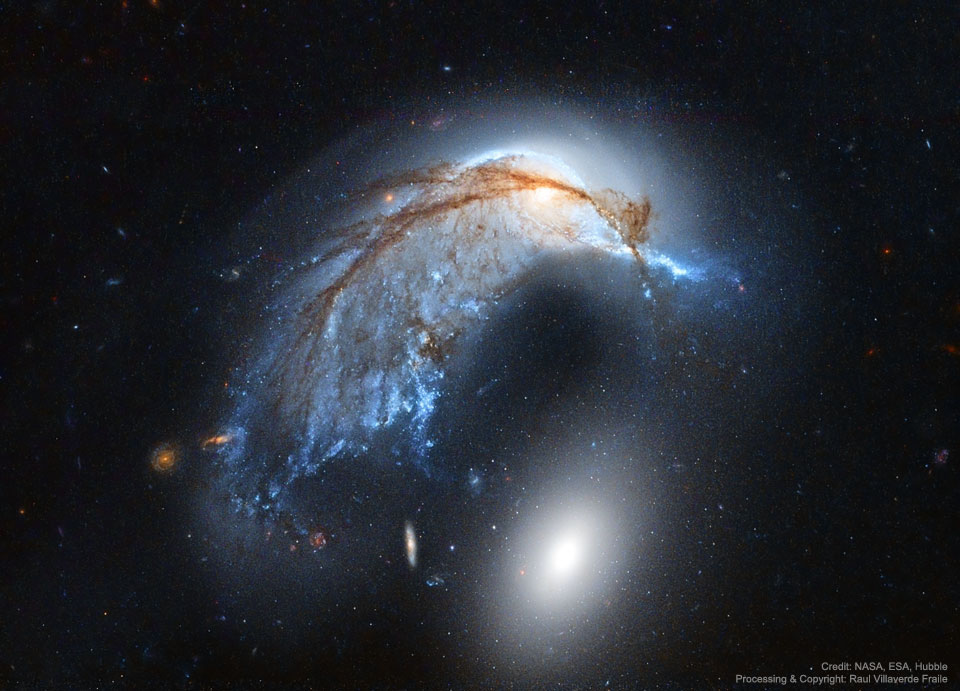
Image Credit: NASA, ESA, Hubble, HLA; Reprocessing & Copyright: Raul Villaverde


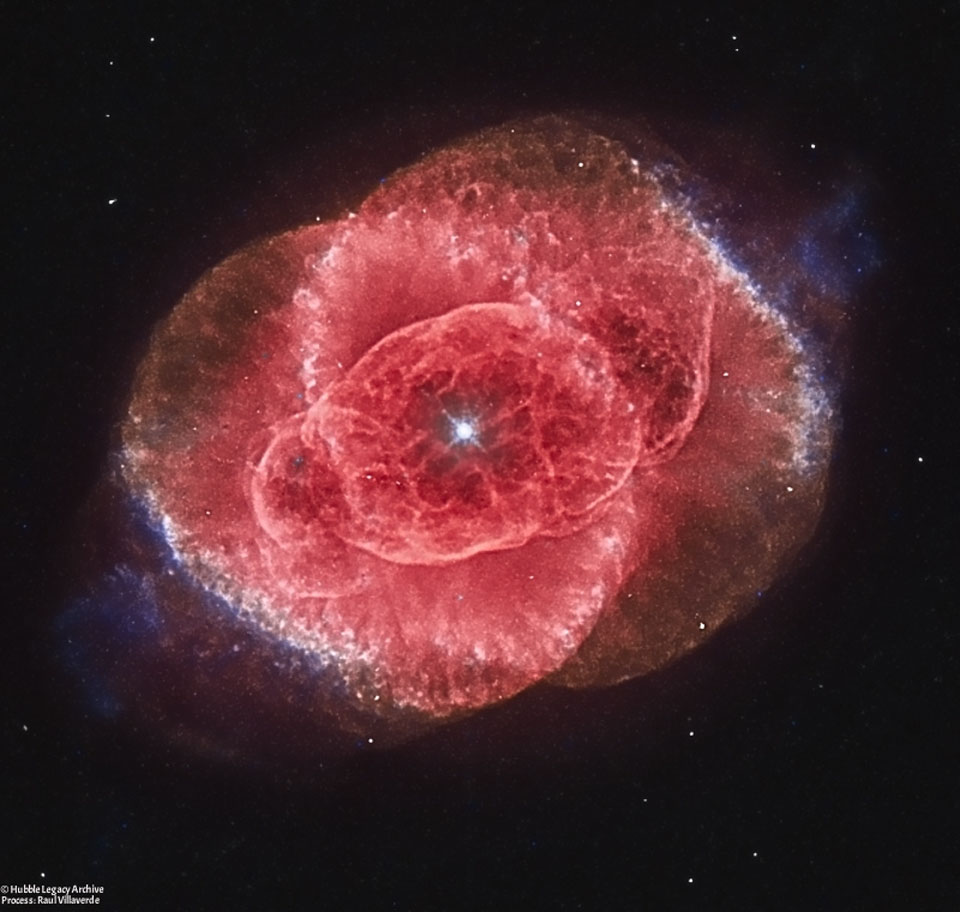
Image Credit: NASA, ESA, Hubble, HLA; Reprocessing & Copyright: Raul Villaverde


Image Credit - NASA/ New Horizons

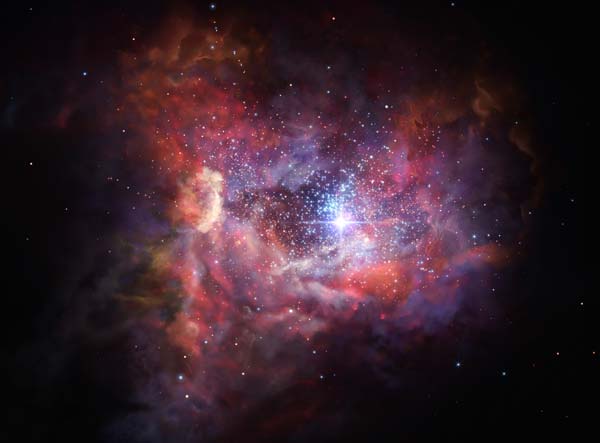
Image Credit - ALMA observatory - , ,


Image Credit - ALMA, , ,


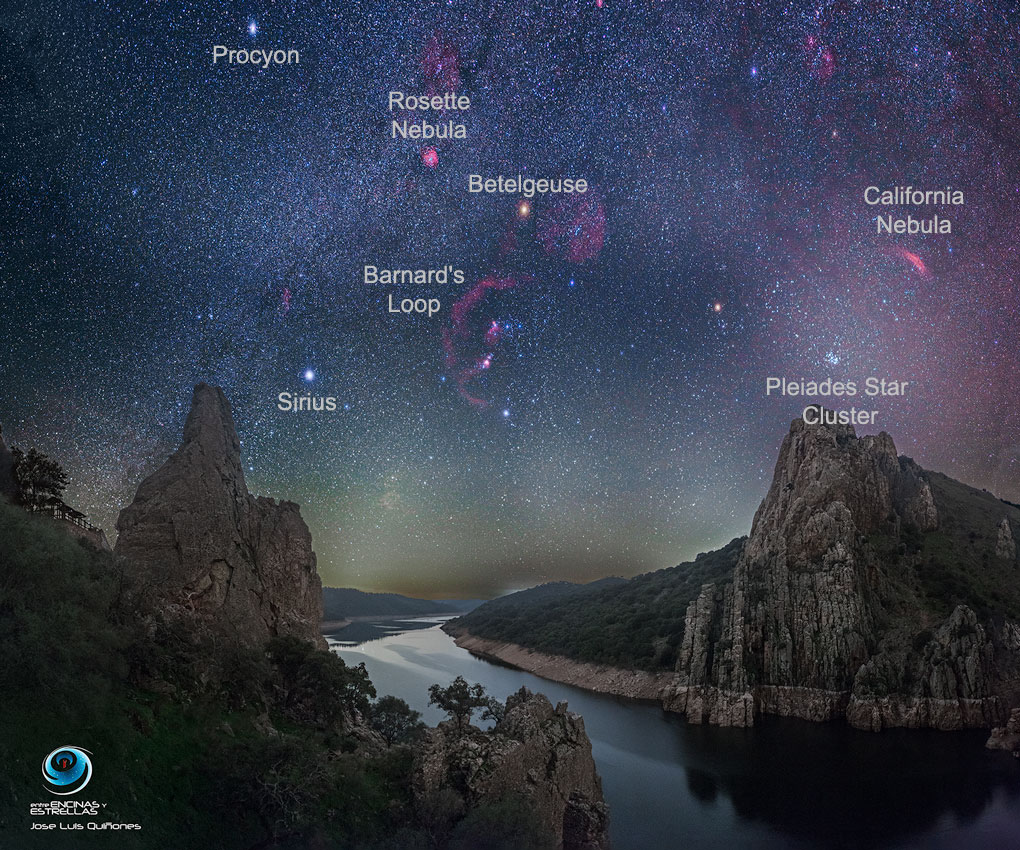
A Dark Winter Sky over Monfragüe National Park in Spain
Image Credit & Copyright: José Luis Quiñones (Entre Encinas y Estrellas)

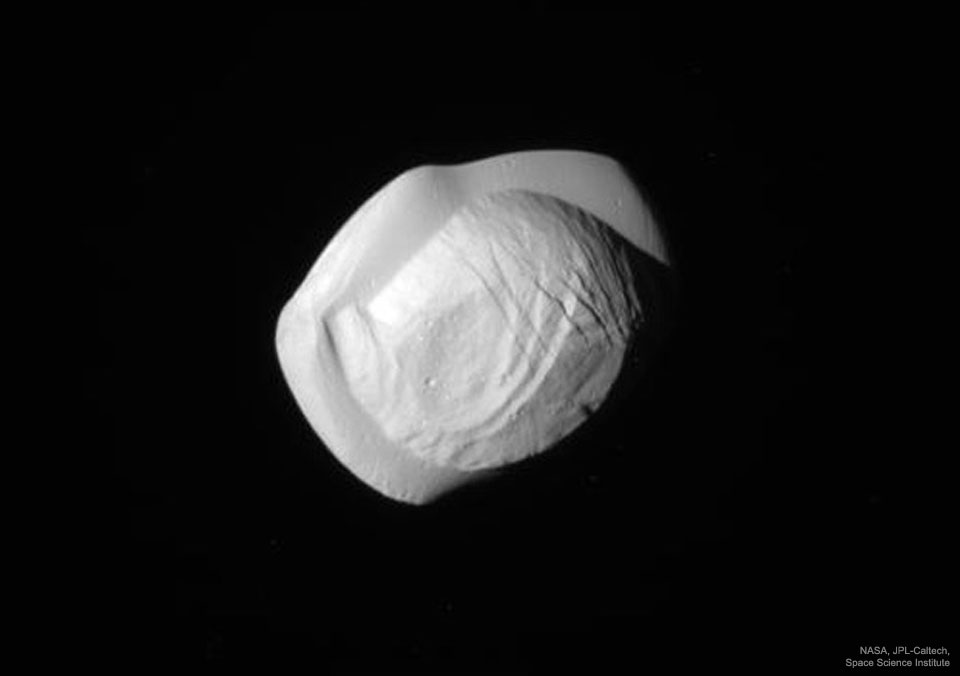
and for the craziest astronomical discovery possible, a moon of Saturn!


I shit you not!


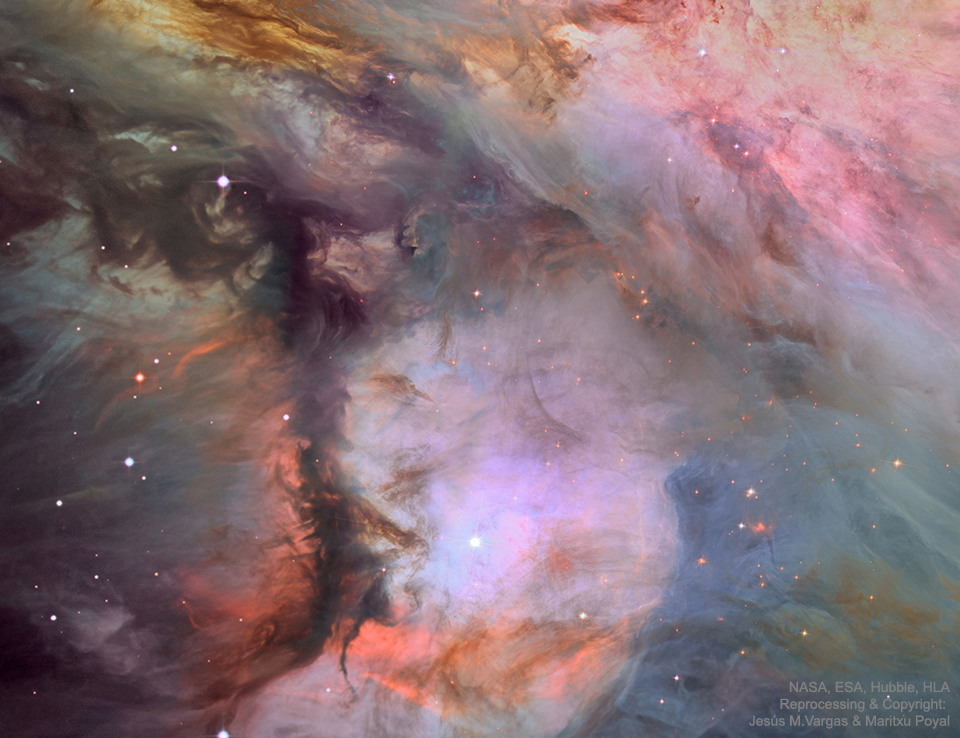
Image Credit: NASA, ESA, Hubble, HLA; Reprocessing & Copyright: Jesús M.Vargas & Maritxu Poyal


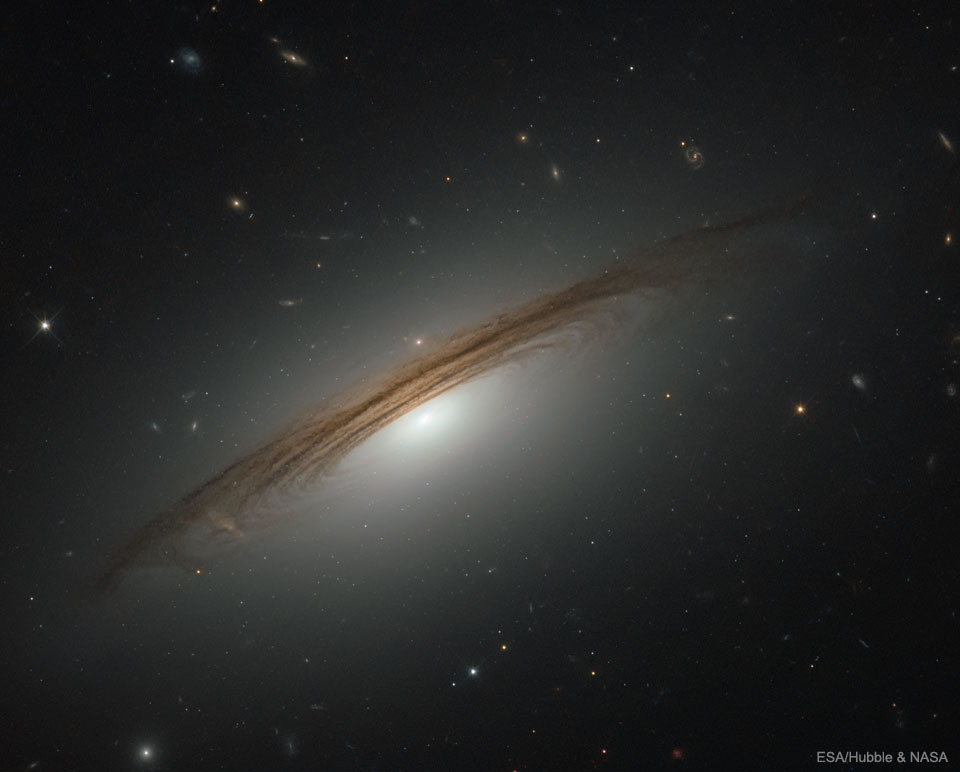
UGC 12591: The Fastest Rotating Galaxy Known
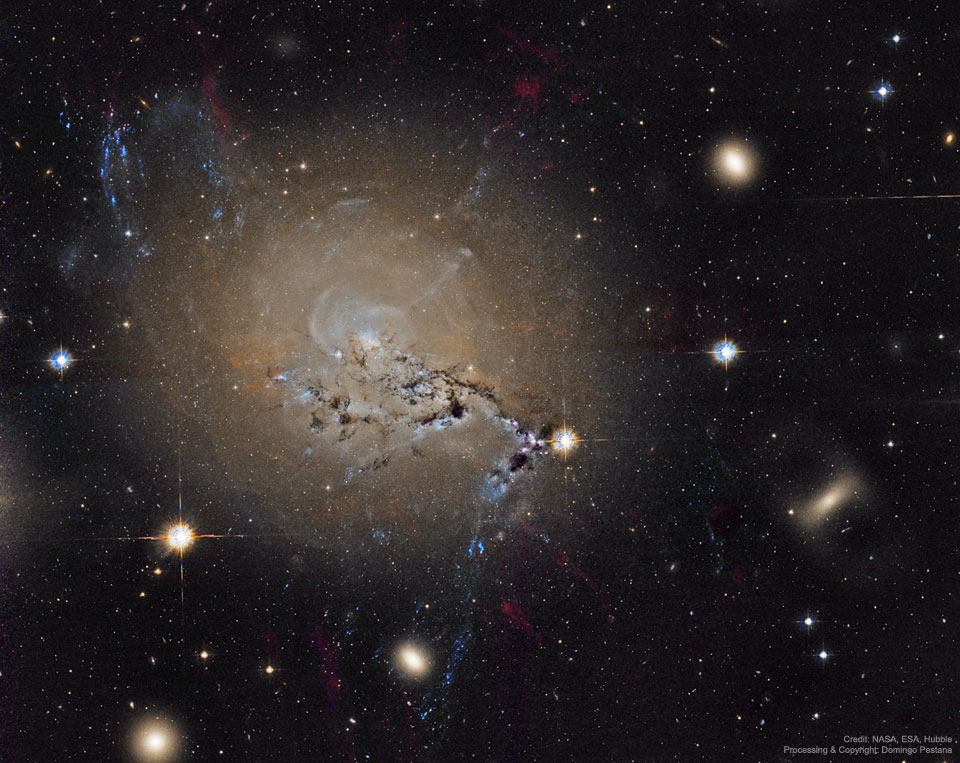
Image Credit: NASA, ESA, Hubble


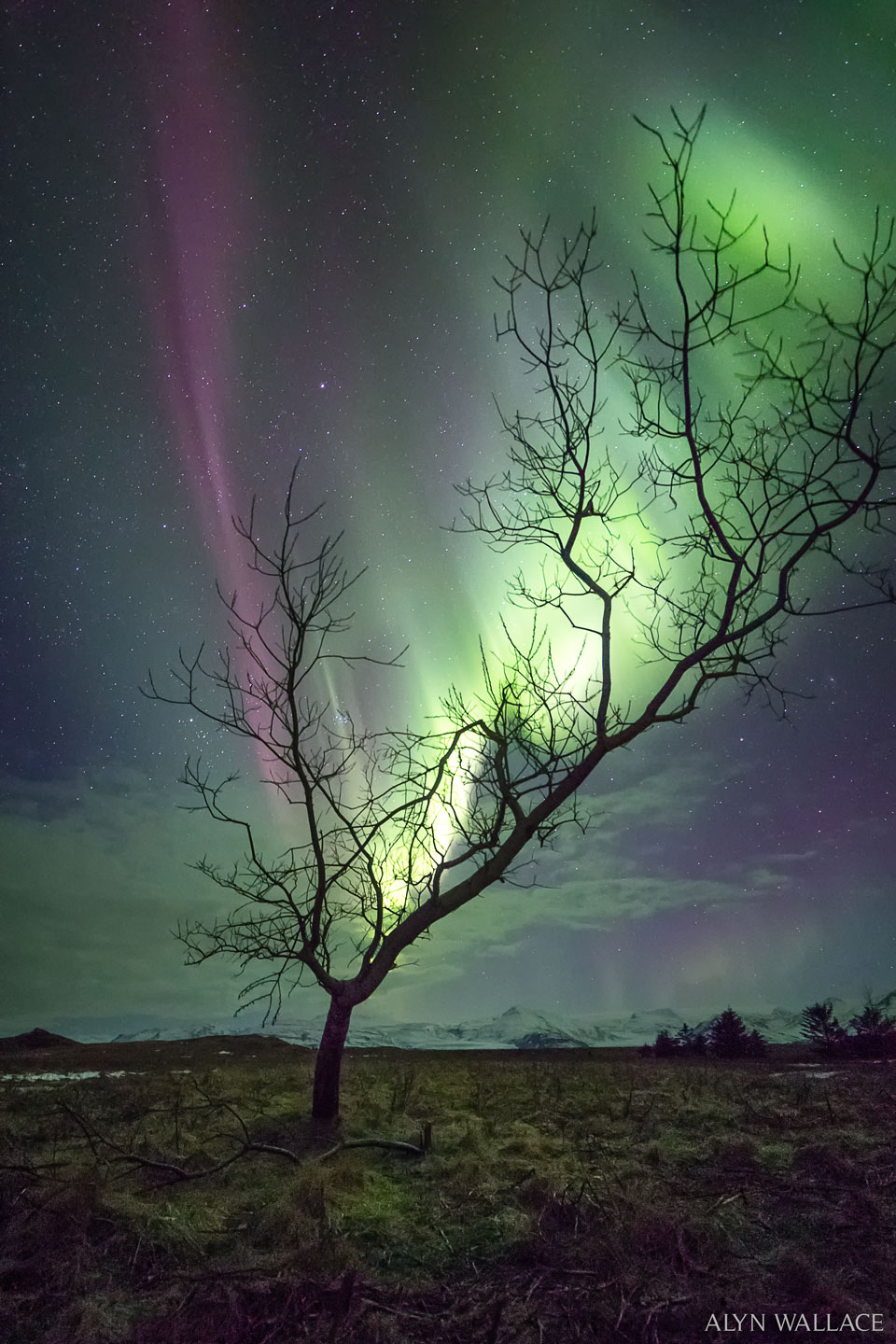
Image Credit & Copyright: Alyn Wallace Photography

One of the best Aurora pictures I've seen.


Credit:
NASA, ESA/Hubble . . . i'm not sure that these images are zoomable enough for my readers actually.  One should go to at least one source of my astro pictures - ESA/NASA Hubble Space Telescope and click some of the downloads on the right hand side.  Zoom up pretty close -just before you see pixels and roam around.  There's also a zoom movie at this link - > New Hubble image of Kleinmann-Low Nebula

Note further that the ESA/NASA Hubble Space Telescope webpage names this Kleinmann-Low Nebula, and not just Orion nebula.  The Orion Nebula has this Kleinman-Low part, and the Horseshoe nebula at another part.  You can see this viewing the zoom in movie at the link above.


Wednesday, January 25, 2017

astro picture for the day/ Juno spacecraft's Jupiter "Great Red Spot"


Image Credit: NASA/JPL-Caltech/SwRI/MSSS/Gerald Eichstaedt/John Rogers

Acharya S "Respect my Religion"


Acharya S worked hard to reexplore and re-present the sungods astrotheology over the last few decades(since about 1999). Her "Christ in Egypt" and "Did Moses Exist" put her in a class all her own. There were some before her in the 1980s like Wells, and in the 1990s, there was Earl Doherty. I suspect her SunGods book might be a good read also.  I haven't read it yet. Remarkably, she died on Dec 25th, 2015.  The birthdate that so many sungods have.

I found her a bit temperamental, actually.  I remember trying to explain to her that Jacob Bronowski explains, in his "Science and Human Values" that mathematics and poetry share a common feature in analogy. And that mythology is also . . . poetry. She went off on a anti-rationalist tirade and even compared Spock to the devil and such. I posted a bunch of her findings, from her "Did Moses Exist", all based on confirmations of primary sources, and she comes in under some other name and says I'm plagerizing!  I know she delt with a lot of people; but, man, me and her never got along!  I mean she didn't "respect my rationalist religion".  She didn't stop to consider the ideas, either refute them with factrs or logic, or find them right after facts/logic.  Instead, she goes into some really weird psycho mode. I just can't help posting this great video of hers!  Some thought for the day along with this great new picture of the Great Red Spot of Jupiter!

Sunday, January 8, 2017

astro picture for the day/ Gliese 710 and generalisations / Mike Brown's Planet9 and planet definitions


Image Credit & Copyright: John Gleason


- a famous picture from 1833 of a 'meteor storm',


I remember reading somewhere(sorry, I didn't keep track of the reference; I managed to find the picture above from Leonid meteor shower wiki) that astronomers determined that the reason why there was  a meteor storm instead of your usual meteor shower(usually a trickle; one a minute just isn't that exciting) in  1833 is because a big cometary debris passed by . . . dangerously close.  To have that many meteors going on(millions per second) means large enough cometary debris was passing by . . . one so large, that if it had hit, we wouldn't be sitting here today.


Astronomers have likewise noted all kinds of things that will happen on astronomical timescales.  The sun will turn into a red giant  . . . four billion years from now.  This may seem like a long time from now, but astronomers have further noted that the sun will start getting to hot in a few hundred million years from now.  The process to becoming a red giant starts in a few hundred million years.

Another major astronomical event that should prove exciting is the Andromeda galaxy will collide with the Milky Way galaxy.  It will start to do so four billion years from now, also. Astronomers will tell you that both these galaxies are so diffuse, the chance of stellar collisions is slight.  This may be so, but the energies put into the motions of the stars is likely to disrupt planetary orbits. The gases and dust that hide the gamma rays and such from the center black holes is likely to be disrupted.  Anyways, I bring these things up because astronomers have determined that a star is heading towards our solar system in about 1.35 million years from now.


Gliese 710 is likely to get within 77 light days of our solar system.  There's likely to be a comet shower(up to 10 comets a year) for millions of years.  The chances are pretty good more than one comet hits the Earth in this time. In fact, Gliese 710's cometary shower is likely to be the biggest such comet shower our solar system has ever experienced.


Astronomers and Space expansion enthusiasts have been championing space colonization to overcome humanity getting wiped out from some astronomical(or nuclear winter) since the space age.  Some of this still sounds astronomically far off; but, it can't be too early to start.


- Mike Brown's demotion of Pluto from a planet . . . definition of a Planet . . . and Planet 9


I don't remember if I've posted this before; but, it can't hurt to repost.  Getting back to Mike Brown's discoveries and demotion of Pluto from planet-hood . . .


Mike Brown discovered Sedna and Eris amongst others. Mike then used these plethora of discoveries to push for demoting Pluto from planethood.  I'm of mixed feelings about it.  Of further note about Sedna and other such trans-Neptunion objects, Mike Brown and Konstantin Batygin have suggested some of these objects have odd orbits, suggesting the existence of a Neptunion like planet pretty far out in the Kuiper belt(not the Oort comet cloud even further out).


I recall people arguing against Pluto as a planet before Mike Brown.  But, there was little reason to till Mike Brown found so many close to pluto like sized objects even further out.  People noticed it was an iceball and an odd orbit for a long time. This is where I also argue the other way; yes, Pluto is different from the inner rocky planets and the gas giants; but, wait a minute!  The gas giants are different from smaller inner rocky worlds. So, to say Pluto is different in composition shouldn't demote it from planethood.


Mike Brown and Konstantin like to say that planets bully, or dominate, the gravity around them.  I just asked Mike Brown, "O.K. so what "planet" dominates the gravity of Charon - Pluto's moon?" 

I further pointed out the above about different compositions of the gas giants vs the inner rocky worlds. I then pointed out that Jupiter has a set of "planets" in orbit around  it much like the four inner rocky worlds and the four outer gas giants. I noted that the sun early on in its life, had stellar winds that pushed lighter elements further out in orbit around the solar system, leaving the heavier elements closer in.  The lighter elements formed the gas giants, and the heavier elemens the solar wind couldn't eject further out formed the inner rocky planets. Astronomers have shown that the Galilean satellites also display this difference in lighter and heavier elements.  The outer moons, Ganymede and Callisto, are made of more lighter elements than the inner "Planet" of Jupiter, Europa and Io. So, we could say that these round worlds(to distinguish from the comets and asteroids) are differentiated between inner and outer worlds, or planets. Likewise, we end up with icy round worlds even further out - Pluto, and now Sedna, Eris and more. So, we end up with three types of "Planets" - rocky, gas giant, and small icy worlds.


Scientists have known for a long time that the distinguishing feature of planets is that they have differentiation of elements(atom types).  They have an inner core that is made of heavier elements than the surrounding crust(or more layers).  This is an obvious definition of a planet from mere rocks(asteroids/comets and so on).


- I should have started this by pointing out that Planet is a vague word much like phlogiston was a pre- theory of fire before combustion was understood to explain fire.  Jacob Bronowski likes to point out phlogiston to explain his theory of knowledge.  I think this whole planet controversy is also an example of how people have a pre-vague concept, and then a later more mathematically well defined word.  See Jacob Bronowski's "Origins of Knowledge and Imagination."

Monday, December 12, 2016

astro picture of the day/ William Blake quote of the day


Image credit: NASA, ESA, Andy Fabian

Quote for the day -

"To see a World in a Grain of Sand,
 and a Heaven in a Wild Flower,
 Hold Infinity in the palm of your hand,
 And Eternity in an hour."

- William Blake

Some exciting mathematics/science developments,

Feynman diagrams vastly generalised . . . even involving Zeta functions <-- link here

Here's a pretty good article to explain/appreciate category theory.  Often-times, mathematicians call their theories by names that hides the amazing theoretical structures they are - such as group, ring, field.  Article here --> Categories: From Zero to Infinity

Time and consciousness solved?  Or, at least a good hint of how consciousness works. Article here --> time and consciousness

Consciousness as anticipation. I still like my idea of knowledge and consciousness. If one learns of something, then one becomes conscouse of it.  I wrote of this awhile ago.  It's probably buried deep down on this blog. I just bring it up to suggest that consciousness as something more complicated than just this or that solution.

- I've put more exciting new science developments in the comments section . . .

Friday, November 4, 2016

astro picture for the day/ Quote for the Day


Image Credit & Copyright: Rolf Geissinger

"According to Holder one of the essential characteristics of the mathematical method can be described as building new notions as superstructure to notions present at a certain stage, in the following sense. The notions and methods applied at a certain stage are envisaged as objects of the mathematical investigation at a higher stage. For instance: one applies a certain algorithm or method of proof, and afterwords one considers the scope and the limits of the method, making  the method itself an object of investigation. From this, Holder concludes that it is impossible to comprehend the whole of mathematics by means of a logical formalism, because logical considerations concerning the scope and limits of the formalism necessarily transcend the formalism and yet belong to mathematics." - Otto Holder(through Van Der Waerden).

This quote is more Van Der Waerden than Otto Holder; so, I don't know how much to really comment on it. The original thoughts are in German.  There's certainly some truth to it.  For instance, at one time number was a whole structure of counting method.  Next, it's abstracted and used as an object in a higher mathematical universe(that of algebra). I'm thinking that these methods are like Jacob Bronowski's "inferred units"(in his Origins of Knowledge and Imagination).  Jacob is always pointing out that the relations of mathematical concepts are 'action verbs" and not 'is' statements.  But, there is equality in mathematics as well.

As for the last part about mathematics cannot be encompassed in logic.  That depends on what you mean by logic.  Not to mention what one values.  If one values a finite set of axioms that can prove an infinity of truths, then no, logic cannot encompass mathematics. But, if one likes an open consistent mathematics, then a little perspective suggests that logic has it's place, although one changed from an Euclidean, or even a Pythagorean viewpoint of symbolic logic.

Thursday, October 13, 2016

astro picture for the day - Quote for the day / transition from magic dark ages era to the Renaissance


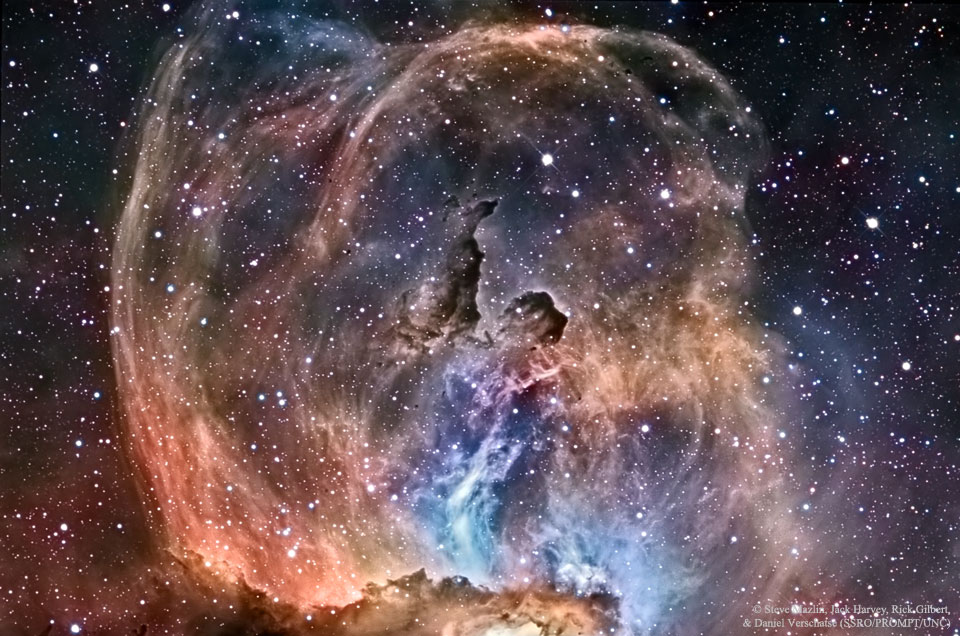
Image Credit & Copyright: S. Mazlin, J. Harvey, R. Gilbert, & D. Verschatse (SSRO/PROMPT/UNC)

"Science is a world view based on the notion that we can plan by understanding." - Jacob Bronowski

One of the last major additions to my "Gospel of Truth" is the evidences preserved in the old testament about magic.  As one can see, the evidences suggests there was a kind of movement to  eliminate the previous world of magic.  Likewise, in the new testament, I find evidence in the Pauline epistles for efforts to ban the Greek sciences and philosophy.  But, the religious efforts to do so clearly could not. Although, due to taking over the Roman empire, they did thrust Europe into a thousand years of dark ages. Jacob Bronowski finds in his "Magic, Science, and Civilization" evidence that the magical world couldn't be thrust away so easily as well. 

In fact, Jacob Bronowski shows that the mathematical science world may have been inspired by the failures of Magic to accomplish it's goals - to control nature. Jacob quotes a Pietro Pompanazzi, who lived around 1460 to 1520, and was part of the Bologna school(if there's any readers who may have seen the James Burke "The Day the Universe Changed" episode 2 before that series . . . and the Connections series . . . was pulled down from youtube) . . .

"It is possible to justify any experience by natural causes and natural causes alone. There is no reason that could ever compel us to make any perception depend on demonic powers. There is no point in introducing supernatural agents . It is ridiculous and frivolous to abandon the evidence of natural reason and to search for things that are neither probably nor rational." - Of Incantations(here, through Jacob's "Magic, Science, and Civilization"s book

Also, in episode 3 of James Burke's "The Day the Universe Changed", James mentions the Medici as taking kind of center stage of the Italian Renaissance wealth. Jacob Bronowski notes that a Cosimo Medici( o.k. a quick wiki search suggests he was the first Medici) translated and printed out many books on "black magic" trying to find a way to learn the universe. He had a secretary, a Fecino.  Copernicus was influenced to his sun-centered cosmology by a little book by Fecino - of the Sun. Then in quick succession, lots of people were publishing books on 'white' magic versus 'black' magic. A Giambattista della Parta, in 1558, published "Natural Magic." By 1620, Francis Bacon makes his famous quote, "Knowledge is Power."

Bacon's "Knowledge is Power" doesn't mean something political.  He's saying mathematical/science knowledge is the way to understand nature - not magic. Magic tried to use spells and such to control . . . to gain power over nature. Jacob points out that in magic, one often tries to control nature by having power over it and rewinding it back. He points out the backward broomstick you see in some pictures of witches. And then, there's the famous biblical passage of Joshua making the sun stop and turn back.(I subtly remember a Genesis book passage about turning back the mechanism of nature; it's an idea a bit like turning wheel backwards from what it was doing before; the magicians hoped to by able to do that to nature). Around renaissance time, people were coming up with a different idea - to learn nature, one must become harmonious with it.  Padua university intellectuals started thinking mathematics was the key to tapping into this harmony of the universe. Pietro also studied at Padua.

Jacob Bronowski also notes that Kepler was also influenced by magic about his idea of gravitation.  He tried to understand nature by both what magical knowledge tried to accomplish things, and the way mathematics tried to accomplish things. He tried to understand the orbits of planets by means of the five platonic solids.  Because they could be embedded in one another, they might be the key to the different size orbits of the planets! He of course saw the Tycho Brahe data and came to understand/appreciate a principle of science - when the data says no, discard the theory.

Kepler also had an idea of gravitation he got from magical thinkers. Kepler got his idea from a Nicholas of Cusa . . . who got his idea from a Pico Della Mirandola(who also had this idea that mankind is unique because it creates) . . . who got his ideas from a Dionysus(whom turned out to be a fake named person and stole his ideas from someone else back in 500 A.D. Christianity).  The idea is that everything attacts because love permeates the universe.  Everything has love(is that true? what about hate?).  The quote . . .

"I transform the lover into the beloved and the beloved into the lover. The lover becomes the beloved because the lover dying, lives in the beloved. And the beloved becomes the lover for he learns to know himself in the lover and gets to love himself through the lover. And while he is thus loving himself in loving the lover he loves the lover who himself has become the beloved."

This magical passage shares a striking similarity to the vague statements that can prove anything.  As I've mentioned here and there, Kurt Gödel published his "Incompleteness/Inconsistency" proofs of axiomatic systems.  He basically says, a consistent finite set of axioms cannot prove an infinity of truths(consistent statements).  But, an inconsistent finite set of axioms can. Above we have a magical passage that can prove anything and everything.

It also seems similar to the Bishop of Constantinople Gregorius of Nyssa quote that I've quoted many times thoughout this blog. See perhaps my Sophis/Silas post.  But, I've mentioned these things recently as well.

Around Renaissance times, clearly, as indicated above, people were tired of so such unwieldy/non-constructive thoughts, and found the answer in mathematics.

- Oct 18, 2016 additional thoughts . . . magic should be viewed as an effort to learn the universe without the hard mathematics way.  It's "black" magic. The mathematics of tens of thousands of years to three and four thousand years ago was not advanced enough to answer some of the simplest questions. Some questions are just not approachable; or, sometimes, there were mathematical answers, but the mathematics was too hard for many; so, many tried to come up with 'magic' supernatural solutions.  Magic and religion really are efforts to circumvent the hard mathematics way, and get at nature without blood/sweat and tears. They want an easy way to understand things - not having to actually learn anything.